

U.S. Driving License Changes 2026: U.S. Driving License Changes 2026 are officially reshaping how Americans drive, travel, verify identity, and even maintain employment. Starting in January 2026, a combination of federal enforcement, state‑level DMV updates, and transportation security rules are changing what your driver’s license means and how it’s used. This is not hype, fear‑mongering, or another “DMV panic” headline. These are real, active policy changes that affect millions of drivers—from teenagers getting their first license to seniors renewing after decades on the road. If your license is your main form of ID (like it is for most Americans), this matters. I’ll walk you through what’s changing, why it’s happening, how it affects everyday life, and exactly what you should do—step by step—so you stay legal, mobile, and stress‑free.
Table of Contents
U.S. Driving License Changes 2026
U.S. Driving License Changes 2026 represent one of the most significant shifts in American mobility, identification, and safety standards in decades. From REAL ID enforcement and TSA fees to senior renewal updates and digital identity integration, the driver’s license is becoming more than permission to drive—it’s a cornerstone of modern identity. The good news is simple: preparation beats panic. Get compliant early, stay informed, and treat your license like the critical document it is.
| Topic | Key Update |
|---|---|
| REAL ID enforcement | Required for federal use and domestic flights; non‑compliance triggers extra screening |
| TSA ConfirmID process | $45 identity verification fee begins Feb 1, 2026 |
| Senior driver renewals | More in‑person renewals, vision checks, shorter renewal cycles |
| State DMV enforcement | Tougher penalties tied to distracted driving and camera enforcement |
| License as employment ID | REAL ID increasingly required for federally regulated jobs |
Understanding the Bigger Picture Behind U.S. Driving License Changes 2026
Before we dive into details, it helps to understand why these changes are happening now.
Over the past 20 years, the U.S. government has gradually tightened identity standards following security concerns, fraud risks, and transportation safety data. The Real ID Act of 2005 was passed after the 9/11 Commission recommended stronger ID verification nationwide. For years, enforcement was delayed due to cost, logistics, and public resistance.
Now, those delays are over.
At the same time, states are facing:
- An aging driving population
- Increased traffic fatalities involving distraction
- Identity fraud linked to stolen or fake licenses
- Pressure to modernize DMV systems
All of that comes together in 2026.
REAL ID Enforcement: The Backbone of 2026 License Changes
REAL ID is not a new license—it’s a federal security standard applied to state‑issued IDs.
If your driver’s license is REAL ID‑compliant, it means your identity documents were verified against federal guidelines. These licenses usually have a star symbol in the top corner.
What REAL ID Is Required For
Starting 2026, REAL ID (or an alternative like a passport) is required to:
- Board domestic commercial flights
- Enter secure federal buildings
- Access military bases
- Avoid TSA secondary identity screening
If you show up at the airport without a REAL ID or passport, TSA may still allow travel—but only after additional verification and a $45 ConfirmID fee.
What REAL ID Is NOT Required For
REAL ID is not required to:
- Drive
- Vote
- Access hospitals
- Apply for federal benefits
This distinction is important. You are not losing your right to drive—but you are losing convenience if you don’t upgrade.
How REAL ID Impacts Daily Life Beyond Travel?
Many people think REAL ID only affects flying. That’s not true.
Employment Verification
Certain federally regulated jobs—such as airport workers, federal contractors, transportation employees, and secure facility staff—are increasingly requiring REAL ID‑compliant identification for onboarding and badge access.
Banking and Financial Services
Banks and credit unions are tightening ID standards to reduce fraud. While REAL ID is not legally required, it is becoming the preferred form of identification for high‑value transactions.
Law Enforcement Interactions
A REAL ID‑compliant license allows faster identity verification during traffic stops and background checks, reducing delays and misidentification risks.
Senior U.S. Driving License Changes 2026: What’s Really Changing in 2026
There is no federal law that revokes licenses based on age alone. However, many states are tightening renewal rules for older drivers due to safety data.
Why Seniors Are Affected More
According to transportation safety research:
- Vision impairment increases sharply after age 65
- Reaction time slows with age
- Medication interactions can affect alertness
States are responding by adjusting renewal processes—not by removing licenses automatically.
Common Senior Renewal Changes
- In‑person renewal instead of online
- Mandatory vision testing
- Shorter renewal periods (2–4 years)
- Possible driving restrictions (night driving, highway limits)
These measures aim to extend safe driving years, not cut them short.
How State‑Level Traffic Laws Affect Your License in 2026?
Even if your license itself doesn’t change, traffic laws tied to licensing enforcement are expanding nationwide.
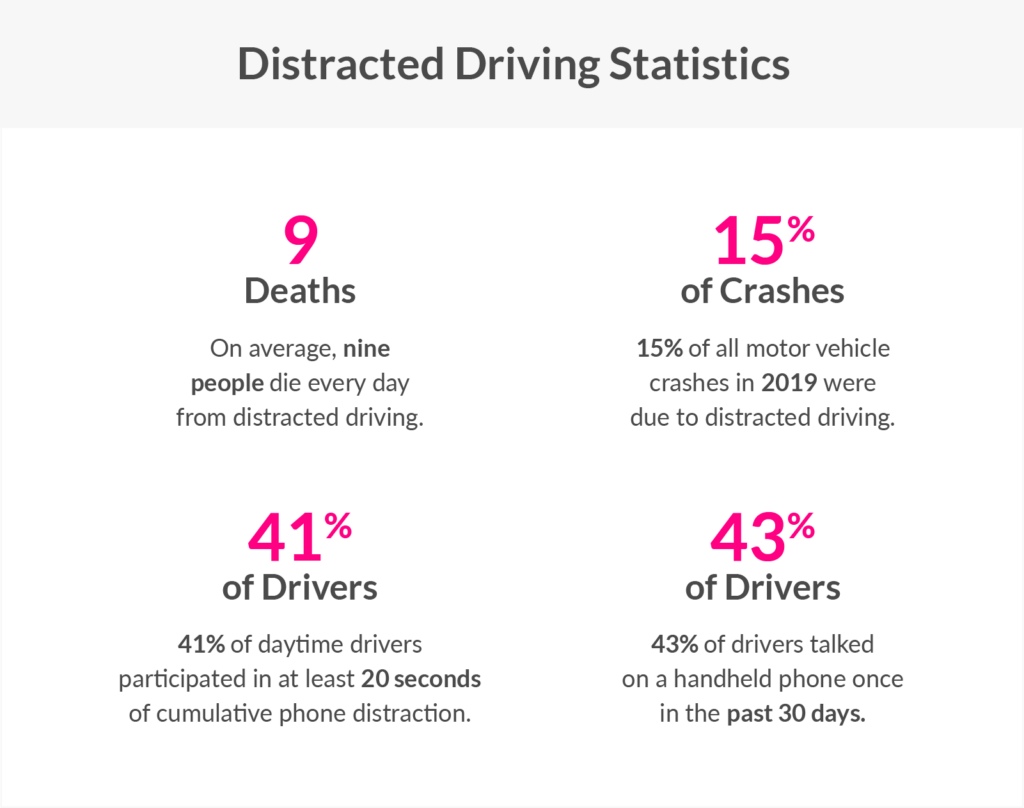
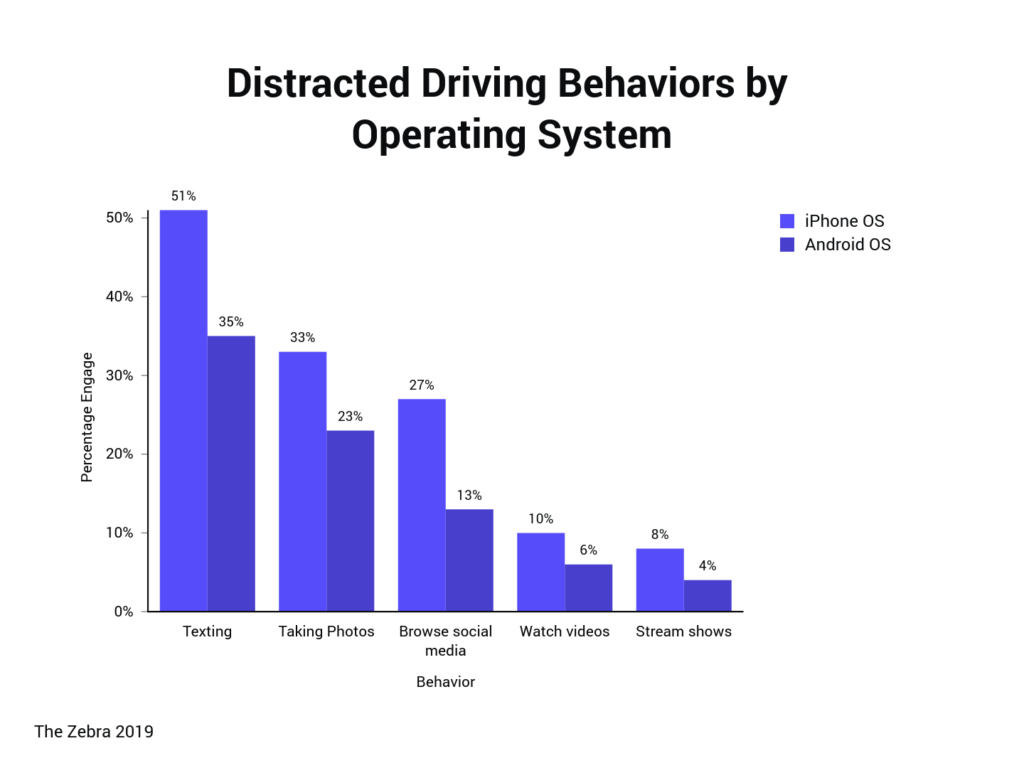
Distracted Driving Enforcement
Many states are moving to “hands‑free only” laws, meaning:
- Touching your phone—even at a stoplight—can be a violation
- Violations can add points to your license
- Repeat offenses may trigger suspension reviews
Automated Enforcement Expansion
Red‑light cameras, speed cameras, and school‑zone enforcement are expanding. These violations increasingly:
- Appear on driving records
- Affect insurance premiums
- Trigger DMV review thresholds
Your license is no longer just a plastic card—it’s a data profile.
Insurance Implications of Driving License Changes 2026
Insurance companies are paying close attention to these changes.
What Insurers Are Watching
- Vision test results for senior drivers
- License restrictions added by DMV
- Camera‑based violations
- REAL ID verification consistency
Drivers with frequent violations or renewal issues may see:
- Higher premiums
- Reduced coverage options
- Mandatory driving courses
On the flip side, maintaining a clean record and compliant ID can lower risk profiles.
Digital Driver’s Licenses: What’s Coming Next
Some states are piloting mobile driver’s licenses (mDLs) that store ID securely on smartphones.
Important Note
Digital licenses:
- Do NOT replace physical licenses nationwide
- Are NOT accepted everywhere
- Must meet federal security standards
REAL ID compliance still applies—even in digital form.
Timeline: What to Do and When
Before January 2026
- Check if your license is REAL ID‑compliant
- Gather identity documents
- Schedule DMV appointments early
January–February 2026
- TSA ConfirmID fees begin
- Senior renewal changes accelerate
- State enforcement expands
Throughout 2026
- Insurance systems adjust
- Employers update ID requirements
- DMV processing times increase
Myths vs Facts About U.S. Driving License Changes 2026
Myth: Everyone must get REAL ID
Fact: Only required for federal use and flights
Myth: Seniors automatically lose licenses
Fact: Renewals are stricter, not automatic revocations
Myth: Non‑REAL ID licenses are invalid
Fact: Still valid for driving
Step‑by‑Step Guide: How to Stay Ahead
- Review your license for REAL ID marking
- Visit your state DMV website
- Book appointments early
- Keep vision exams up to date
- Monitor driving record annually
U.S. Minimum Wage Rises In 2026: Updated Hourly Pay From January 1
$1,800 IRS Direct Deposit in January 2026 – Who Is Eligible This Time