
Tyson Beef Lawsuit Settlement: The Tyson Beef Lawsuit Settlement worth $82.5 million has made waves across grocery aisles and boardrooms alike. Whether you’re a family who stocks up on beef every week or a food distributor buying by the ton, there’s a chance you might qualify for a piece of this multi-million-dollar settlement. In this guide, we’ll unpack everything you need to know about this case—from who’s eligible to how to file a claim, plus deeper insight into why this happened and what it means for the future of food prices in the U.S.
Table of Contents
Tyson Beef Lawsuit Settlement
The Tyson Beef Lawsuit Settlement is a rare opportunity to get compensated for overpaying on groceries or business expenses—and it’s not just about money. It’s about holding corporations accountable for fair pricing in America’s food chain. If you bought beef between 2014 and 2022, check your eligibility and file your claim before it’s too late. The process is fast, secure, and could put cash back in your hands.
| Key Detail | Description |
|---|---|
| Settlement Amount (Direct) | $82.5 million – Tyson’s settlement with direct purchasers |
| Consumer Settlement (Indirect) | $87.5 million (Tyson + Cargill) for grocery store shoppers |
| Purchase Period | 2014–2022 (varies by class) |
| Who’s Eligible | Businesses (direct purchasers) and Consumers (indirect purchasers) |
| Excluded Products | Ground beef, seasoned, marinated, or cooked beef |
| Filing Deadline for Consumers | June 30, 2026 |
| Claim Website | www.OverchargedForBeef.com |
| Court Case | In re Cattle and Beef Antitrust Litigation, MDL No. 3031 |
| Jurisdiction | U.S. District Court, District of Minnesota |
Why Tyson Is Paying $82.5 Million: The Allegations Behind the Tyson Beef Lawsuit Settlement
This lawsuit wasn’t just about overpaying for steak—it uncovered a major issue in how some of America’s largest meat companies do business. According to the plaintiffs, including consumer groups and businesses, Tyson Foods and other beef producers colluded to fix prices and control beef supply from at least 2015 to 2022.
The class-action lawsuit—In re Cattle and Beef Antitrust Litigation—was filed in the U.S. District Court of Minnesota and accuses several major beef producers of:
- Restricting production to create scarcity.
- Sharing confidential pricing information via third-party data services like Agri Stats.
- Inflating beef prices, harming both consumers and direct purchasers.
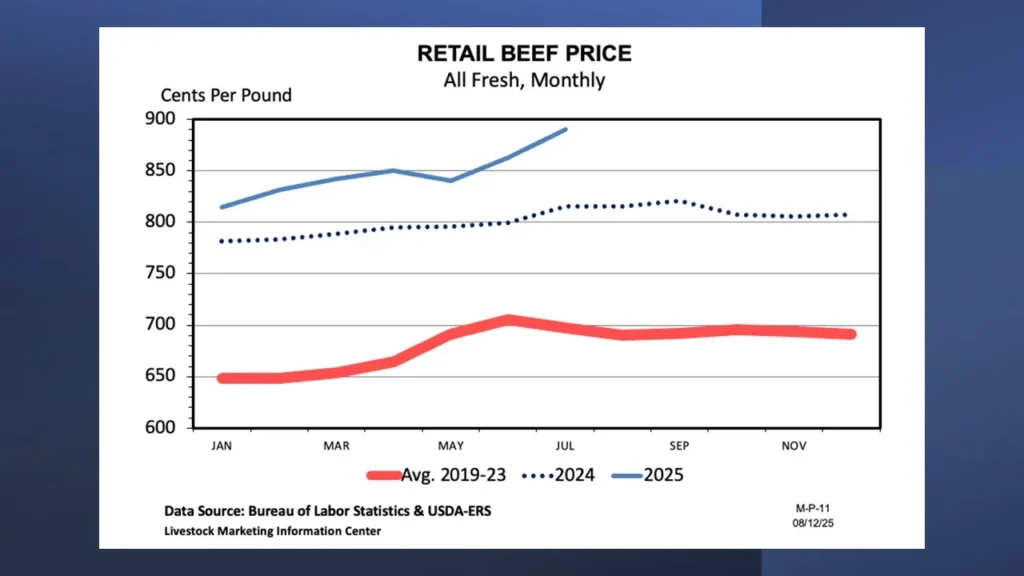
This behavior allegedly caused artificial price hikes in beef products nationwide, impacting restaurants, grocery stores, and everyday shoppers.
Though Tyson has denied wrongdoing, the company has agreed to settle for $82.5 million to resolve claims with direct purchasers—that’s businesses that bought beef directly from Tyson. Separately, Tyson and Cargill have agreed to pay a combined $87.5 million to settle with indirect purchasers (consumers).
Who Can File a Tyson Beef Lawsuit Settlement Claim?
There are two different classes of people who may be eligible for a payout—direct purchasers and indirect purchasers. It’s important to understand which group you fall into.
1. Direct Purchasers (Businesses)
You’re considered a direct purchaser if you:
- Bought beef directly from Tyson Foods
- Did so between 2015 and 2022
- Purchased for resale, distribution, or commercial use
These could include:
- Wholesalers
- Restaurant chains
- Foodservice providers
- Distributors and resellers
To qualify, you must typically submit proof of purchase, such as invoices or contracts with Tyson. Businesses may receive significantly larger payouts than consumers, depending on the volume of beef purchased.
Tyson’s $82.5 million settlement will be split among all eligible direct purchasers in the class, minus legal and administrative fees.
2. Indirect Purchasers (Consumers)
Most everyday folks fall into this group. You are an indirect purchaser if you:
- Bought beef from grocery stores, club stores, or supermarkets
- Did so between August 1, 2014 and December 31, 2019
- Purchased for personal use, not for resale
This applies to beef bought at:
- Walmart
- Safeway
- Kroger
- Costco
- Albertsons
- Other major retailers
You can file a claim without receipts, but you’ll need to estimate how much qualifying beef you bought during the covered timeframe.
What Beef Products Are Covered?
To be eligible, the beef you purchased must fall into specific categories.
Covered Beef:
- Raw beef derived from chuck, rib, loin, or round primal cuts
- Fresh beef purchased unseasoned and uncooked
- Packaged by traditional grocers, butcher counters, or club stores
Excluded from the Settlement:
- Ground beef
- Seasoned, marinated, or cooked beef
- Premium cuts (Wagyu, 100% grass-fed, USDA Prime)
- Organic or specialty beef
- Beef purchased for business or resale purposes (unless you’re a direct purchaser)
How Much Money Can You Expect?
Consumers (Indirect Purchasers)
The final payout depends on:
- How many people file claims
- How much beef you purchased
- Legal and admin fees deducted from the $87.5M pool
Estimated payouts range from:
- $10–$25 for casual buyers
- $50–$100+ for larger families or frequent beef purchasers
You’ll select your preferred payment method during the claim process (check, PayPal, Venmo, or gift card).
Businesses (Direct Purchasers)
Payouts can range into thousands of dollars, depending on purchase volume and documentation provided. These claims are more complex and may require legal or accounting assistance.
How to File a Tyson Beef Lawsuit Settlement Claim (Step-by-Step)
For Consumers:
- Visit www.OverchargedForBeef.com
- Click on “File a Claim”
- Choose your state of residence
- Estimate the amount of qualifying beef purchased
- Select your payment method
- Submit your claim before June 30, 2026
No documentation is required, but honesty is key.
For Businesses:
- You may have been contacted directly via email or mail.
- Submit documentation of beef purchases (invoices, sales records).
- Contact the settlement administrator or your legal team for help.
How to Spot Scams and Stay Safe?
Unfortunately, these types of settlements often attract scammers who try to steal personal info or bank details.
Red Flags to Avoid:
- Emails asking for your Social Security Number
- Requests for bank login info
- Fake websites mimicking the real portal
- “Guaranteed” payouts if you pay a fee upfront
Stay Safe:
- Only use the official claim website: www.OverchargedForBeef.com
- Do not share personal financial information outside of the portal
- Report scams at www.ReportFraud.ftc.gov
Related Lawsuits in the Meat Industry
This isn’t Tyson’s first rodeo—and it won’t be the last for the meat industry.
Other companies facing price-fixing lawsuits include:
- Pilgrim’s Pride (chicken)
- Smithfield Foods (pork)
- Hormel, JBS, and others in broader meat antitrust cases
These cases allege similar conspiracies—colluding to drive up meat prices while reducing output. It’s a growing trend that may result in additional settlements down the line.
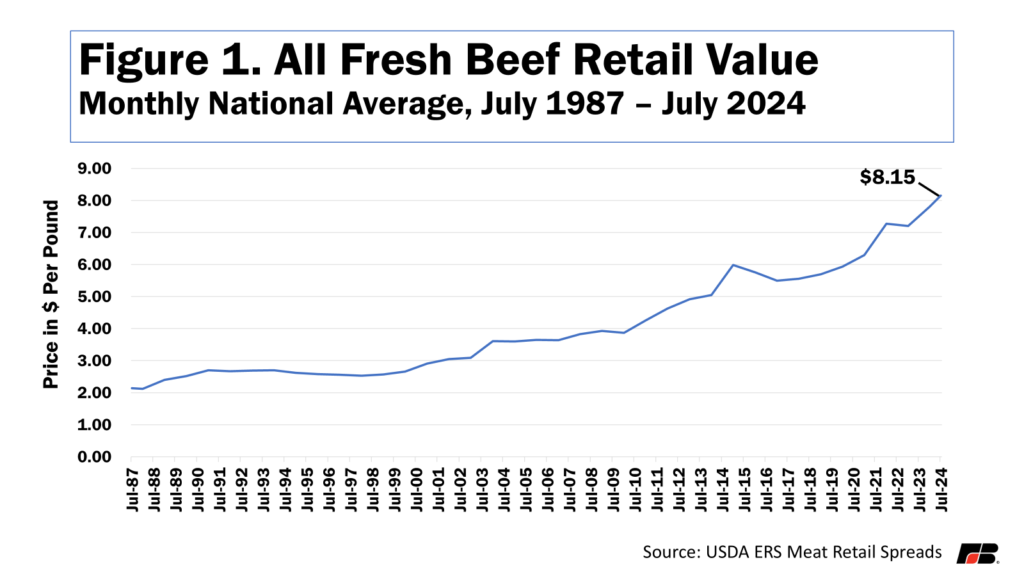
Impact on the Industry and Consumers
This lawsuit shines a spotlight on market manipulation in food supply chains—and it raises hard questions:
- How many other food sectors are affected?
- What kind of regulatory oversight should exist?
- Will this lead to long-term beef price stabilization?
Analysts believe the lawsuit could encourage greater transparency in beef pricing, particularly around:
- Production output reporting
- Wholesaler pricing structures
- Retailer pass-through pricing
Meanwhile, consumers are paying closer attention to what they’re really paying for at the grocery store—and that’s a win for everyone.
$2,000 Refunds Coming? Visa-Mastercard Class Action Settlement 2026 Explained
23andMe Data Breach Class Action Settlement – Apply to Claim $100-$10,000, Check Eligibility