
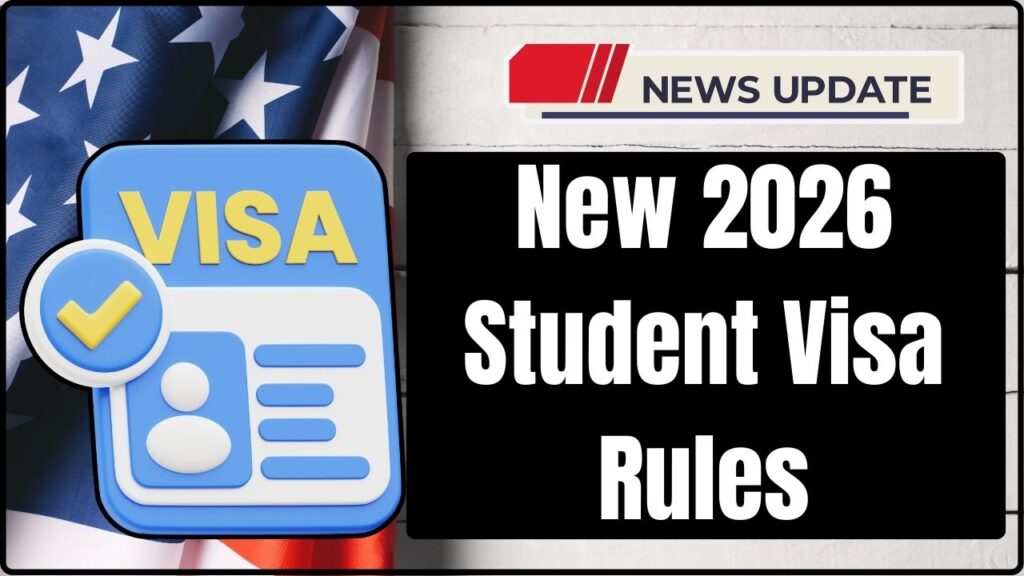
New 2026 Student Visa Rules: If you’re wondering about the New 2026 Student Visa Rules Under Trump, you’re not alone. Thousands of students, parents, and universities around the world are asking the same thing: “Can I still go to college in the United States this year?” The short answer is: Yes, you can — but it just got a whole lot trickier.
In early 2026, President Trump’s administration introduced a fresh wave of visa changes, mostly targeting how the U.S. handles foreign students entering on F‑1, J‑1, and M‑1 visas. These updates come on top of expanded travel bans, stricter visa vetting, reduced interview waivers, and proposed overhauls to how long students can stay in the country. Whether you’re a student from India, Nigeria, the Philippines, or Brazil, or you’re a counselor helping someone navigate the U.S. visa process, this article breaks it all down in a simple, clear way — without skipping the real details.
Table of Contents
New 2026 Student Visa Rules
The U.S. is still open for education — but it’s no longer business as usual. The 2026 student visa rules under Trump represent the biggest shake-up to international education policy in years. For many students, it means longer wait times, deeper scrutiny, fewer guarantees, and more planning. But with the right approach, studying in America is still possible — and still worth it. It’s no longer enough to just get accepted to a college. In today’s world, you need to be ready for the paperwork, the interviews, the delays, and the policy shifts. But don’t give up. If you’re prepared, informed, and persistent, your dream of studying in the United States is still alive and well.
| Topic | 2026 Update / Change |
|---|---|
| Student Visas Still Exist | F‑1, J‑1, and M‑1 visas continue, but with new restrictions |
| Travel Ban Expanded | Visa issuance suspended for 38–39 countries for those outside U.S. |
| Effective Date | January 1, 2026, 12:01 a.m. EST |
| Visa Duration Rule Proposed | Fixed duration (up to 4 yrs) + lesser grace period |
| Interview Changes | Fewer interview waivers; most applicants must attend interview |
| OPT / EAD Changes | Automatic work‑permit extensions phased out |
| Exceptions | Valid visas not revoked; renewals possible |
New 2026 Student Visa Rules: What Has Really Changed for 2026?
Let’s break down the biggest changes that are shaking up how the U.S. handles international students this year.
1. Travel Ban Expansion
Starting January 1, 2026, the U.S. government implemented an expanded travel ban that affects visa issuance for citizens of nearly 40 countries. These countries were flagged based on criteria such as overstay rates, failure to share biometric data, or lack of cooperation on deportations.
That doesn’t mean students from those countries are banned from entering forever. But it does mean that if you’re from one of those nations and didn’t already have a valid student visa before Jan 1, 2026, you might not be able to get one now.
This shift is having a big impact on places like Nigeria, Ethiopia, Ghana, Angola, and Tonga. Some students who were already accepted into U.S. schools in 2025 are now stuck in limbo, unable to obtain a visa in time to begin their programs.
If you already had a valid F‑1 or J‑1 visa before the ban kicked in, you’re generally allowed to enter the U.S. But this might involve extra security screening at the airport, and in some cases, re-interviewing or secondary inspections.
2. Stricter Interview Requirements
In past years, many student visa applicants could qualify for interview waivers, especially if they were renewing a visa or had recently traveled to the U.S. successfully.
Not anymore.
In 2026, the U.S. has scaled back those waivers, requiring most F‑1 and J‑1 applicants — even those with past visas — to go through full in-person interviews again.
This is creating a major backlog in many U.S. consulates, particularly in South Asia and West Africa. Students are waiting months just to get an interview appointment.
To make things even more challenging, these interviews are now much more thorough. Visa officers are looking for:
- Detailed academic plans
- Proof of funding (tuition + living expenses)
- Ties to your home country (like family or a job offer)
- Clarity on your post-graduation goals
- Evidence that you’re not using the student visa as a backdoor to immigration
Applicants must now prepare like they’re going to a job interview — with documents, preparation, and solid answers.
3. Proposed Change: End of “Duration of Status”
For years, students in the U.S. operated under what’s known as “Duration of Status” (D/S) — which allowed them to stay as long as they were enrolled in a valid academic program.
Now, the Department of Homeland Security (DHS) wants to change that.
Under the new proposal, F‑1 and J‑1 visas would come with a fixed end date — usually 2 to 4 years depending on the program and the applicant’s country of origin.
If students need more time to finish their degree or switch to another program, they would have to file for an extension with USCIS, which takes time, costs money, and is never guaranteed.
This could hit PhD students and those in long or flexible programs the hardest. Under the new rules, they may need to file extensions multiple times just to finish a 5-year degree.
4. Optional Practical Training (OPT) Under Fire
For many international students, the chance to work in the U.S. after graduation is a huge part of the appeal. Under current rules, F‑1 students can apply for Optional Practical Training (OPT) — a work permit for up to 12 months after graduation, with an additional 24 months for STEM majors.
But in 2026, that’s starting to shift.
The Trump administration has proposed reducing or eliminating automatic work permit extensions, including those for OPT. Students now have to apply more carefully — and earlier — for post-study work approval. Processing times are longer. And many students now risk gaps in employment due to permit delays.
Universities are warning students that OPT is no longer a sure thing, and work planning should begin well before graduation, not after.
5. Visa Renewals Are More Difficult
Even for students already inside the U.S., renewing a visa is no longer a simple process. Those who travel home during breaks might find themselves stuck abroad if:
- Their country is on the restricted list
- Their renewal is delayed or denied
- The U.S. consulate has limited appointment slots
Some students who left for winter break in December 2025 have still not returned by spring 2026 — waiting on visa interviews or stuck in administrative processing.
This has led many schools to advise international students not to travel unless absolutely necessary, especially if they’re from a high-risk or restricted country.
Why New 2026 Student Visa Rules Happening?
The Trump administration argues that these changes are necessary to:
- Combat visa fraud
- Reduce illegal overstays
- Protect national security
- Encourage cooperation from foreign governments on deportations and data-sharing
Supporters say it’s about tightening a system that’s too loose. Critics say it’s part of a broader anti-immigrant agenda that hurts students, colleges, and the U.S. economy.
Higher education groups — including the American Council on Education and NAFSA — have warned that these policies could drive students to Canada, the UK, or Australia, where visa systems are seen as more welcoming.
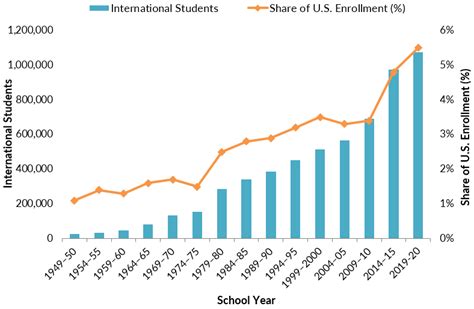
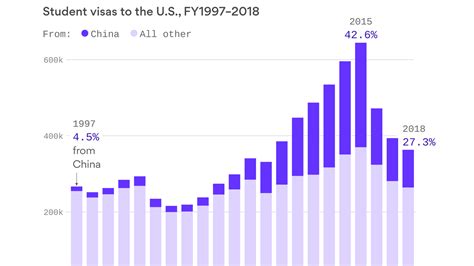
The stakes are high: international students contribute nearly $38 billion to the U.S. economy each year and support over 400,000 jobs, according to data from the U.S. Department of Commerce.
Step-by-Step: How to Navigate the New 2026 Student Visa Rules
Here’s a practical, clear guide to surviving the new visa landscape:
1. Check Your Country’s Status
Is your country on the restricted list? If yes, you may not be able to apply for a new visa in 2026. However, if you already have a valid visa, you can likely still travel — just expect tougher screening.
2. Apply Early and Prepare Well
Schedule your visa interview as early as possible. Gather strong documentation, including financial records, academic transcripts, acceptance letters, and return-home ties.
3. Work Closely With Your School’s International Office
They can help with visa letters, program extensions, travel advisories, and more. Don’t try to navigate this alone.
4. Avoid Unnecessary Travel
If your visa will expire while you’re abroad, or you’re from a high-risk country, avoid travel unless absolutely necessary.
5. File OPT Applications ASAP
Plan your post-grad work early. Talk to your international advisor at least 6 months before graduation.
6. Stay Informed
These policies are still evolving. Follow updates from your university and U.S. government websites.
F-1, J-1, M-1 Students Face Stricter Rules in 2026 – Full Breakdown of Trump’s New Visa Policy
No Visa, No Passport? No Problem, U.S. to Allow Entry With This One Surprising Document