

DWP’s ‘Absurd’ Universal Credit Test: The UK’s Universal Credit system, operated by the Department for Work and Pensions (DWP), is once again in the spotlight — and this time, it’s because of what some have called an “absurd” test or process that claimants must undergo to receive support. This phrase — “absurd Universal Credit test” — started trending following a tabloid report suggesting that under existing DWP rules, a migrant becomes eligible for Universal Credit every 43 seconds. That headline triggered outrage online and prompted debates around eligibility rules, border control, welfare fraud, and what taxpayers are really funding.
But is there a real test that’s absurd? Are claimants being forced to do something strange or unfair to qualify for aid? In this article, we unpack exactly what’s going on. We’ll explain what Universal Credit is, where this “absurd test” claim came from, what claimants are actually being asked to do, and what changes are on the way — all with step-by-step guidance, official data, and professional insights.
Table of Contents
DWP’s ‘Absurd’ Universal Credit Test
The phrase “DWP’s absurd Universal Credit test” may have caught public attention, but it’s rooted more in sensational headlines than in new policy. What’s real is the continued complexity of applying for Universal Credit, particularly for migrants, disabled people, and those with low digital literacy. Rather than a single “test,” claimants are navigating a maze of requirements, systems, and assessments. That system is being reformed — but not fast enough for many. For those who rely on Universal Credit, clear information, early preparation, and trusted support can make the difference between confusion and confidence. And for the rest of us, it’s a reminder to look beyond the headline and focus on what’s actually happening on the ground.

| Topic | Details |
|---|---|
| Universal Credit Claimants (as of June 2025) | ~7.9 million |
| “Absurd Test” Origin | Media framing of Habitual Residence Test and migrant eligibility data |
| Official “Test” Claimants Must Pass | Habitual Residence Test (for foreign nationals); Work Capability Assessment (for disabled claimants) |
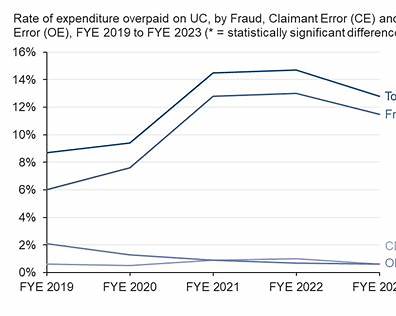
| Overpayment Error Rate | 9.7% (financial year ending 2025) — equivalent to £6.35 billion |
| DWP Overhaul | Work Capability Assessment being phased out by 2028 |
| Official UC Website | gov.uk/universal-credit |
What Is Universal Credit?
Universal Credit (UC) is a monthly payment provided to people in the UK who are either:
- Out of work
- On a low income
- Unable to work due to disability or illness
It replaced six legacy benefits (including Housing Benefit, Jobseeker’s Allowance, and Income Support) and has become the foundation of the UK’s welfare system.
The goal is to simplify the process by combining multiple benefits into one payment. In theory, this should make life easier for claimants. In practice, it’s proven complex and controversial.
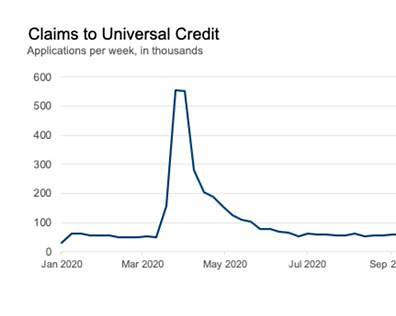
As of June 2025, over 7.9 million people were receiving Universal Credit — the highest number since the program began. Nearly 40% of them have a health condition that affects their ability to work.
So What’s This “DWP’s ‘Absurd’ Universal Credit Test” All About?
Contrary to some headlines, there is no official new “absurd test” introduced by the DWP.
The term originates from media coverage of the Habitual Residence Test (HRT) — a long-standing rule used to determine if someone has the right to claim benefits in the UK. This test checks whether someone is “habitually resident” in the UK, meaning they:
- Live in the UK, Ireland, Isle of Man, or Channel Islands
- Intend to stay for the foreseeable future
- Are legally allowed to be here
In the last reporting year (October 2024 to September 2025), 734,200 foreign nationals reportedly passed the HRT, making them eligible for Universal Credit. That breaks down to about one person every 43 seconds, according to a Freedom of Information request highlighted by The Sun newspaper.
The tabloid labeled this outcome “absurd,” implying the test might be too easy or ineffective. But experts and policy advocates say this framing is misleading and doesn’t account for the complexity of the eligibility process.
What Tests or Requirements Must Claimants Actually Pass?
1. Habitual Residence Test (HRT)
If you’ve just arrived in the UK, or have returned after time abroad, you may need to prove:
- That you intend to stay long-term
- You have legal immigration status
- You’ve established some social or economic ties
Not everyone has to take the HRT. British citizens who’ve lived continuously in the UK usually skip this step. But EU nationals, refugees, and new arrivals are often assessed.
Despite claims in the media, failing this test is common, especially if you lack housing, job offers, or family ties in the UK.
2. Work Capability Assessment (WCA)
Claimants with physical or mental health conditions may need to undergo a Work Capability Assessment to determine:
- If they’re fit for work
- If they need extra financial support
- What job-seeking commitments apply
This process has long been criticized for being too medicalized and out of touch with the real-life experiences of disabled people.
In response to these concerns, the DWP announced in 2023 that the WCA will be phased out entirely by 2028. Instead, new criteria will be based on Personal Independence Payment (PIP) assessments, which aim to be more holistic.
Why Are People Outraged With DWP’s ‘Absurd’ Universal Credit Test?
The anger isn’t just about a test. It’s about a system that many feel is:
- Confusing: The rules change often, and they’re not always easy to understand.
- Unfair: Some people are denied support even when they clearly need it.
- Invasive: Health assessments can feel dehumanizing, especially for people with invisible illnesses.
- Punitive: Claimants can face sanctions or overpayment recovery even when mistakes aren’t their fault.
According to DWP statistics for 2024–2025, £6.35 billion in Universal Credit payments were classed as overpaid, mostly due to claimant error or misunderstanding.
That money is often reclaimed, leaving families in deep debt and facing unexpected deductions from their payments.
The Role of Digital Exclusion
Another source of frustration is the digital-first nature of Universal Credit. All applications and updates must be made online, via a platform that is not user-friendly for everyone.
People without internet access, those who struggle with literacy, or claimants with cognitive or visual impairments often have trouble navigating the system. Advocacy organizations like Citizens Advice and Amnesty International have criticized this design, calling it discriminatory and exclusionary.
Who Is Eligible for Universal Credit?
You may be eligible for UC if you:
- Are aged 18 or over (there are exceptions for 16–17-year-olds)
- Are under State Pension age
- Have less than £16,000 in savings
- Live in the UK
- Have a low income or no income
- Meet immigration/residency criteria
Claimants are grouped into “work requirements” categories depending on health, family status, and job-seeking ability.
Step-by-Step Guide to Applying for Universal Credit
Step 1: Create an account
Visit gov.uk/universal-credit and follow the instructions to create an online account.
Step 2: Gather your documents
You’ll need ID, proof of address, income details, rent agreements, and sometimes health or immigration paperwork.
Step 3: Attend an interview
You’ll typically be asked to attend a Jobcentre appointment or phone call. Be prepared to discuss your situation in detail.
Step 4: Complete any required assessments
This may include a Work Capability Assessment or Habitual Residence Test depending on your status.
Step 5: Wait for a decision
It usually takes five weeks for your first payment. You can ask for an advance if you’re struggling financially.
Step 6: Report changes
You must update your journal if your income, health, or living situation changes. Failure to do so could lead to sanctions or overpayments.
What’s Next for Universal Credit?
The DWP is under pressure to:
- Make its systems more accessible
- Improve the fairness and clarity of eligibility assessments
- Reduce administrative errors
- Reform how overpayments are recovered
Policy changes are ongoing. Watchdog organizations and charities are calling for more human-centered design and accountable systems. There are also proposals to integrate benefits with other public services to simplify access and avoid duplication. With a general election on the horizon and welfare reform a hot-button issue, the future of Universal Credit could look very different by 2026–2027.