
Driving With Snow on Your Roof Is Now Illegal: Driving with snow or ice piled on your car roof might seem harmless—but now, in several Northeastern U.S. states, it’s officially against the law. Whether you’re making a school run or hauling freight cross-state, if snow’s still clinging to your car, you’re risking more than cold fingers — you could be hit with a fine of up to $1,500. States like New Jersey, New Hampshire, Connecticut, Pennsylvania, and Rhode Island have passed laws requiring drivers to remove all snow and ice from their vehicles before hitting the road. It’s about more than visibility—it’s about safety. Flying chunks of ice can damage other vehicles, cause accidents, or even result in fatalities. This guide breaks it all down for you: where it’s illegal, what the laws say, how to comply, and how to avoid hefty fines and legal trouble.
Table of Contents
Driving With Snow on Your Roof Is Now Illegal
Driving with snow or ice on your vehicle isn’t just careless anymore—it’s against the law in several Northeastern states. With fines reaching up to $1,500, and the real possibility of causing injury or worse, now is the time to make snow removal part of your winter driving routine. Stay safe. Stay legal. Take those extra five minutes to brush off the snow—and you could be saving someone’s life.
| Feature | Details |
|---|---|
| States Enforcing the Law | New Jersey, New Hampshire, Connecticut, Pennsylvania, Rhode Island |
| Fines | $25–$1,500, depending on violation and damage |
| Applies To | All drivers, including personal and commercial vehicles |
| Inspiration for Laws | Accidents caused by flying ice—e.g., Michael Eastman’s fatal crash (NJ, 1996) |
| Penalty Enhancement | Higher fines if snow causes injury or property damage |
| Official Reference | New Jersey MVC |
| Tools Recommended | Telescopic snow brushes, foam roof brooms, de-icing sprays |
| Fleet Compliance | Mandatory policies advised; higher fines for commercial operators |
Why Driving With Snow on Your Roof Is Now Illegal?
These laws didn’t come out of nowhere. They were born from real-life tragedies, like the one that happened in New Jersey back in 1996 when Michael Eastman lost his life after a chunk of ice flew off a trailer and smashed through his windshield.
His wife, Cathy Eastman, began advocating for a law requiring drivers to clear snow and ice from vehicles, leading to what’s now colloquially known as Michael’s Law. Since then, other states have followed with similar legislation to avoid preventable accidents.
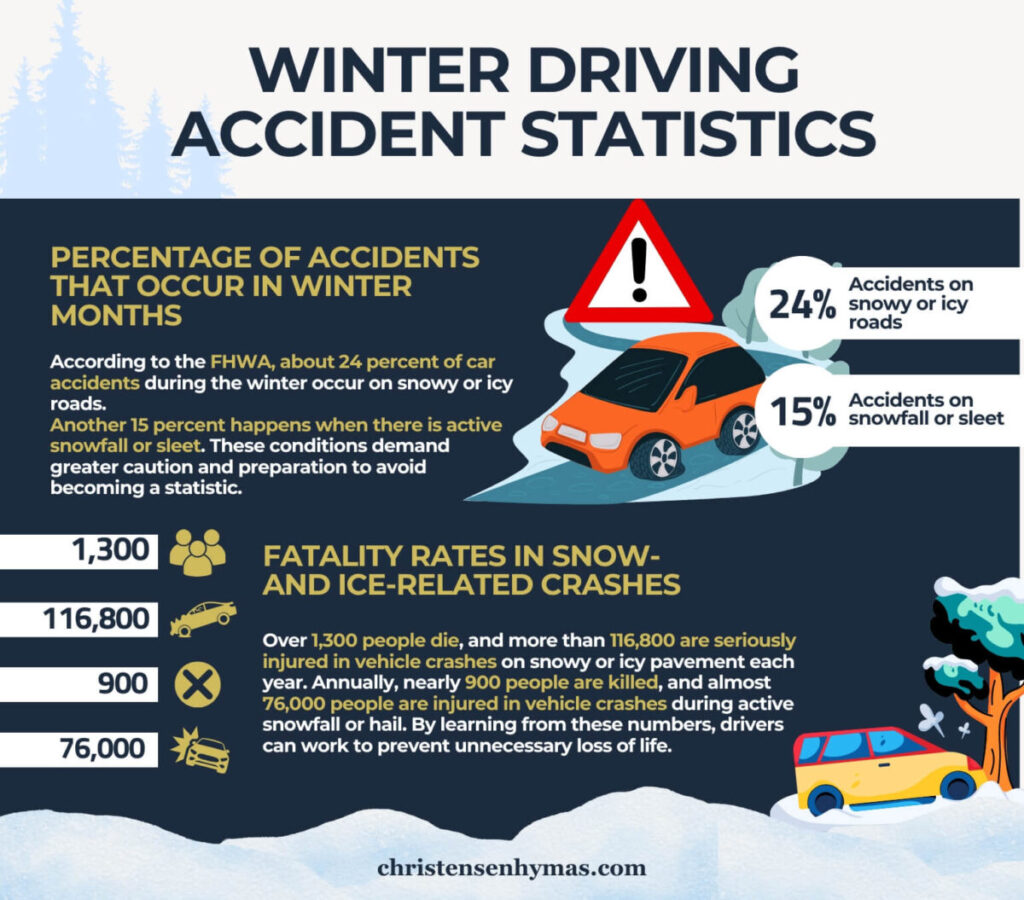
According to the Federal Highway Administration (FHWA), over 1,300 people are killed and more than 116,000 are injured annually in vehicle crashes during snowy or icy conditions. Snow build-up on vehicles contributes to this toll—not just through accidents, but through poor visibility and flying debris.
States Where Driving With Snow on Your Roof Is Now Illegal
New Jersey
New Jersey’s law is one of the most widely enforced. It applies to all motorists and commercial drivers. Even if no injury or damage occurs, driving with snow can result in a fine.
- Basic violation: $25–$75
- If snow causes injury/damage: Up to $1,000
- Commercial vehicles: Up to $1,500
New Hampshire
“Jessica’s Law,” named after a 20-year-old woman who died from flying ice in 1999, enforces snow and ice removal from all vehicle surfaces.
- First offense: $250 minimum fine
- Subsequent offenses: Up to $1,000
Connecticut
In Connecticut, the law applies to personal and commercial drivers, especially during snow emergencies.
- First-time fine: Around $75
- If injury or property damage occurs: $500–$1,000
Pennsylvania
Under “Christine’s Law,” effective from 2022, snow must be removed from vehicles within 24 hours of a storm ending.
- Negligence causing damage/injury: $200–$1,000+
Rhode Island
Rhode Island’s law focuses on visibility obstruction and debris hazards.
- Police are authorized to stop any vehicle with snow on windows, mirrors, or roofs.
Why Snow on the Roof Is So Dangerous?
Here’s the science behind it: a 20-lb block of snow or ice flying off a vehicle at 65 mph hits with the force of several hundred pounds. It can shatter windshields, knock out drivers, or cause multi-vehicle accidents.
Real-life examples:
- A Connecticut woman suffered permanent eye damage after ice hit her windshield.
- In Pennsylvania, a family was hospitalized after a large ice sheet flew off a semi-truck.
How to Stay Compliant (And Safe)
Here’s a step-by-step guide to clearing your car the right way:
Step 1: Start with the Right Gear
Don’t cheap out on tools. Look for:
- Telescoping snow brush (for SUVs or trucks)
- Foam broom to prevent paint damage
- De-icing spray (safe for glass and wipers)
- Heated scraper for stubborn spots
- Compact step stool for reaching high surfaces
Prices range from $15 to $45, far cheaper than a ticket—or an accident.
Step 2: Clear All Surfaces
Remove snow and ice from:
- Roof
- Hood
- Windshield (front and back)
- Trunk
- Headlights and brake lights
- License plate
- Side mirrors
Step 3: Do a 360° Check
Circle your vehicle once before leaving. Many drivers forget the rear roof edge and taillights, which are common spots for snow buildup.
What Commercial Drivers and Fleet Managers Need to Know?
Commercial drivers are held to stricter standards. Snow flying off a semi or box truck can do 10x more damage than a personal vehicle.
- DOT and state patrols in NJ, CT, and PA conduct spot inspections at rest stops and weigh stations.
- Businesses should implement winter vehicle inspection checklists.
- Consider rooftop clearing stations at fleet depots.
“Fleet compliance isn’t optional anymore,” says Daniel Harris, a logistics compliance consultant. “Companies should include snow removal in their pre-trip inspection policies.”
What About Other U.S. States?
Not all states have explicit snow removal laws, but many can still issue tickets under:
- Reckless driving
- Obstruction of view
- Failure to maintain safe vehicle condition
Even in places without a law, insurance companies may deny claims if snow or ice from your car caused an accident.
How Canada and Europe Handle It?
Canada
In provinces like Ontario and Quebec, fines are common for:
- Snow-covered license plates
- Windshield obstructions
- Flying debris
Europe
Countries like Germany and Austria impose driver liability for snow-related crashes—even if the driver claims they didn’t notice the snow.
What You Can Do to Help?
- Educate young drivers and teens—many are unaware of the law.
- Share this info with neighbors and friends, especially during storms.
- Ask your local police department about snow safety workshops.
- Keep snow-clearing tools in your vehicle during winter months.