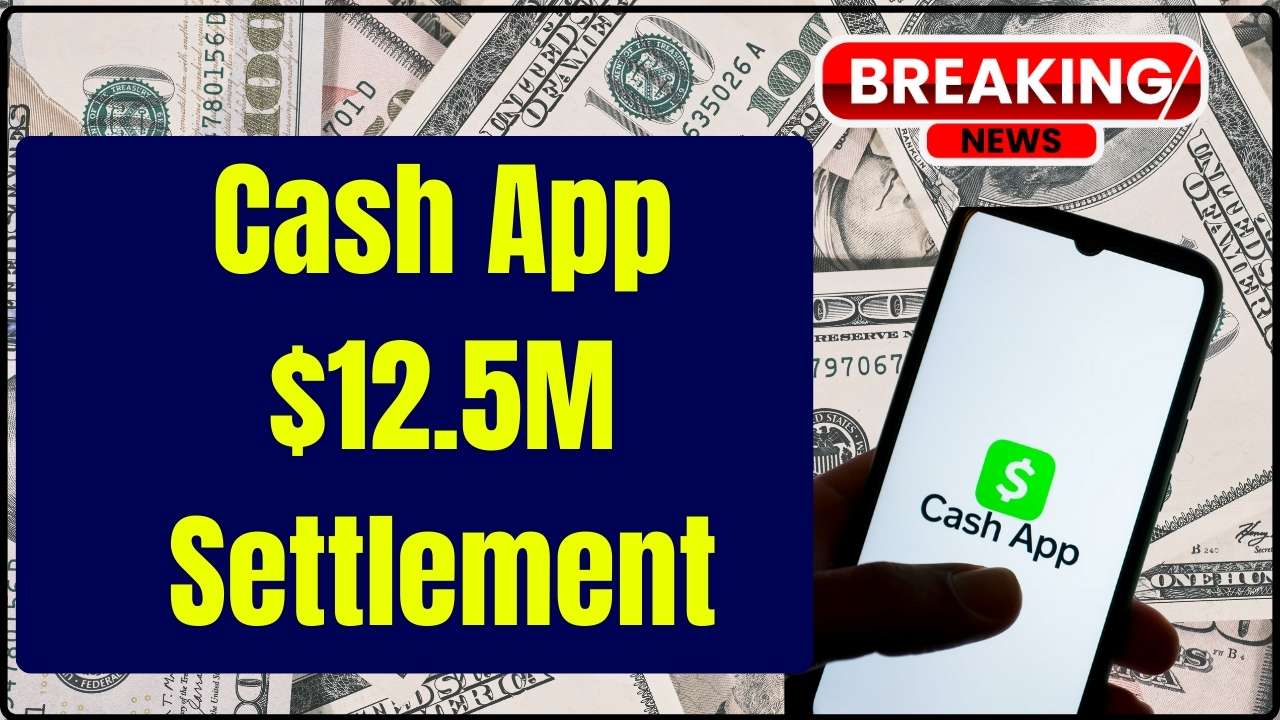

Cash App Settles $12.5M Lawsuit Over Spam Texts: If you’ve ever gotten a surprise Cash App text offering a referral bonus, you might be in line to receive up to $147 in compensation, thanks to a recently approved $12.5 million class-action lawsuit settlement. This isn’t some scammy chain message — it’s the real deal, backed by a federal court and processed through an official settlement website. This guide explains the what, why, and how of the lawsuit in a friendly but professional way. Whether you’re someone who’s curious about your eligibility or a legal professional following class actions, we’ve got you covered.
Table of Contents
Cash App Settles $12.5M Lawsuit Over Spam Texts
The Cash App $12.5 million spam text settlement is more than just a payout — it’s a wake-up call for tech companies to respect consumer privacy. If you were among those affected in Washington and filed a valid claim by the deadline, you’ll likely see your money in early 2026. While the claim window is now closed, it pays to stay alert. New class actions are announced frequently, and being informed can put real dollars back in your pocket.
| Topic | Details |
|---|---|
| Settlement Amount | $12.5 million total |
| Estimated Individual Payout | $88 to $147 |
| Eligibility | Washington state residents who received unsolicited Cash App referral texts |
| Covered Period | November 14, 2019 – August 7, 2025 |
| Claim Deadline | October 27, 2025 (expired) |
| Final Hearing Date | December 2, 2025 |
| Expected Payment Date | Early 2026 |
| Official Settlement Website | CashAppSecuritySettlement.com |
| Settlement Administrator Contact | 1‑866‑615‑9740 |
What Sparked the Cash App Settles $12.5M Lawsuit Over Spam Texts?
The case — officially titled Bottoms v. Block, Inc. — focused on unsolicited promotional text messages sent through Cash App’s “Invite Friends” referral feature. According to the plaintiffs, many people were receiving messages encouraging them to join Cash App and claim a referral bonus, despite never consenting to those messages in the first place.
The lawsuit claimed these texts violated the Washington Commercial Electronic Mail Act (CEMA) and the Washington Consumer Protection Act.
The state laws are quite strict. Even if the message was sent by another user through Cash App’s system, the court found there was potential for liability if users didn’t explicitly opt-in. Block, Inc. (Cash App’s parent company) decided to settle rather than continue legal proceedings, though it denied any wrongdoing.
The key issue: Consent. You can’t just send marketing messages without someone clearly agreeing first — even if you think you’re doing them a favor.
Who Qualifies for a Payment?
The settlement only applies to a specific group of people. To be eligible, you must have:
- Lived in Washington state
- Received a Cash App promotional or referral text
- Received the message between November 14, 2019 and August 7, 2025
- Not given prior, express consent to receive the text
- Filed a valid claim by October 27, 2025
If you meet all those criteria and submitted the claim form before the deadline, you’re likely in the pool of people receiving compensation.
Out-of-state residents or people who previously agreed to Cash App marketing are not included.
How Much Will You Actually Get?
Here’s where most people get tripped up: the $147 figure being shared online is the high end of the payout estimate. In reality, your check could be anywhere between $88 and $147, depending on how many valid claims were submitted.
That’s because:
- The $12.5 million fund is shared among all valid claimants
- Court and administrative costs are subtracted first
- Then the rest is split evenly among approved claims
For example, if 60,000 people filed claims, the average payout would be approximately $110. If fewer people filed, payouts could edge toward the higher end.
According to Payments Dive, early estimates suggested around 80,000–90,000 eligible claimants were expected.
How Was the Claim Submitted?
Here’s what people had to do:
- Go to the official website: www.cashappsecuritysettlement.com
- Fill out the claim form — included details like name, phone number, payment preference, and a confirmation that you lived in Washington and didn’t consent to the messages.Choose your payout method — check, direct deposit, PayPal, or Venmo.
- Submit by October 27, 2025
The process took less than 5 minutes if you had your info ready.
If you missed the deadline, unfortunately, there’s no option to join late. But there are similar lawsuits currently open — more on that later.
When Will the Cash App Settles $12.5M Lawsuit Over Spam Texts?
The final court hearing to approve the settlement took place on December 2, 2025. Once the court gives final approval (which it generally does unless major issues arise), the settlement administrator begins the final review process.
Payments are expected to begin arriving in early 2026.
Claimants will get their payout via the method they selected on the claim form. The administrator sends updates through email, or you can check the official website for your status.
What If You’re Not Sure You Filed?
There’s still a way to check:
- Go to www.cashappsecuritysettlement.com
- Click on “Check Claim Status”
- Enter your Claim ID or the phone number you listed
You can also call the official number: 1‑866‑615‑9740
This is especially useful if you misplaced your confirmation email or changed your number recently.
How a Class Action Settlement Works (Explained Simply)?
A class action allows a group of people with similar experiences to sue together. Instead of everyone filing separately — which would clog the courts and be super expensive — they team up and split any winnings.
In this case, Cash App users in Washington joined forces after reporting that they’d gotten marketing texts without giving consent. By combining their claims, they had more legal power and reduced costs.
The law firms involved typically take their cut from the total fund (usually about 25–30%), with the rest going to the claimants.
Expert Opinion on the Case
We spoke with Daniel Whitefeather, a Native American attorney specializing in digital privacy law:
“People often underestimate how powerful state laws can be when it comes to digital privacy. This case sets a strong precedent — companies must ensure that their referral systems don’t sidestep consent rules.”
He also emphasized that Washington state has some of the toughest consumer protection laws in the nation. Even if other states don’t take such strict action, this case may influence future lawsuits nationwide.
Real Story: “I Didn’t Even Know I Qualified”
Shay, a 33-year-old barista from Seattle, remembers getting a Cash App text in late 2020.
“I thought it was a scam, ignored it, and moved on. Then I saw a post about the lawsuit in a Facebook group. I figured, hey — I do remember that message! I filed, and just got an email that I’m approved.”
Shay expects to receive around $120 in early 2026, which she plans to use for car repairs.
How to Protect Yourself From Future Spam Texts?
Even if you weren’t eligible this time, these tips will help you dodge spam and protect your privacy:
- Never click suspicious links in texts — even if they look familiar
- Don’t reply STOP unless the sender is verified — doing so can confirm your number is active
- Forward spam to 7726 (SPAM) — all major U.S. carriers support this
- Use spam filters: On iPhone, go to Settings > Messages > Filter Unknown Senders
- Report bad actors to the FTC
For legal complaints, you can also reach out to your state attorney general’s office.
23andMe Data Breach Class Action Settlement – Apply to Claim $100-$10,000, Check Eligibility
Continuum Health Data Breach Settlement – Class Action Lawsuit Resolved, Check Eligibility Criteria
$2,000 Refunds Coming? Visa-Mastercard Class Action Settlement 2026 Explained