
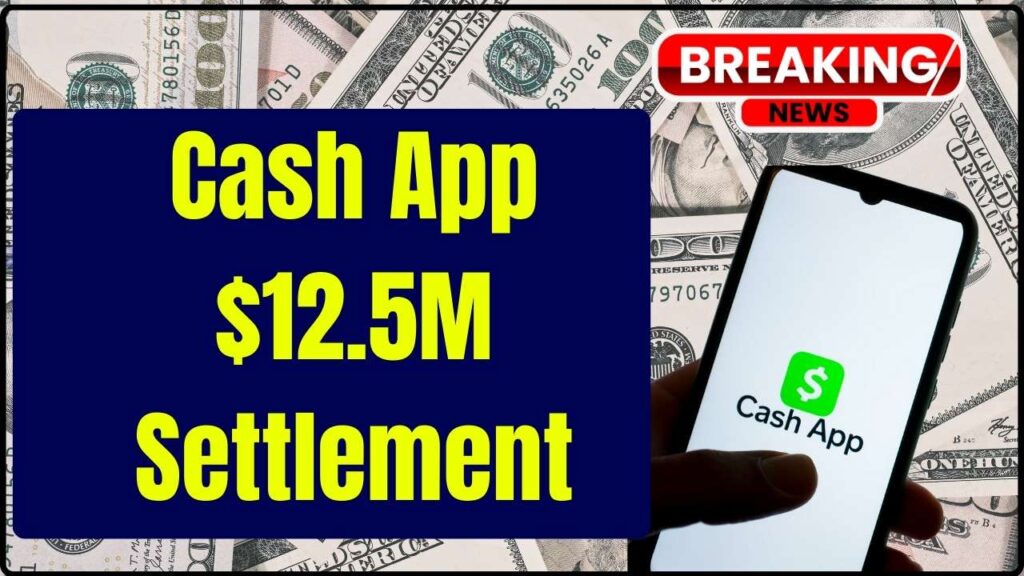
Cash App $12.5M Settlement: Did you ever get a random text from a friend saying, “Try out Cash App and get $5”? You might’ve thought it was just a nice tip. But what if you never gave permission to get that message? Well, if you lived in Washington State and received one of those Cash App referral texts between November 2019 and August 2025, you could be part of a $12.5 million class action settlement. This case is called Bottoms v. Block, Inc., and it’s a powerful example of how digital marketing — even from big players like Cash App — can cross the line if users don’t opt in. Let’s break down everything you need to know, whether you’re a privacy-conscious consumer, a legal pro, or just someone checking if that text message could earn you a check.
Table of Contents
Cash App $12.5M Settlement
The Cash App $12.5 million settlement might seem small compared to other tech lawsuits, but its impact is huge. It reinforces the idea that your data, your consent, and your attention matter — and that companies must play fair when it comes to your personal information. So whether you’re a privacy advocate, a tech exec, or just someone tired of random marketing texts, this case is worth paying attention to. It’s a sign of how consumer privacy is evolving in the digital age, and a win — however small — for everyday users.
| Item | Details |
|---|---|
| Case Name | Bottoms v. Block, Inc. |
| Defendant | Block, Inc. (Cash App’s parent company) |
| Total Settlement Fund | $12.5 Million |
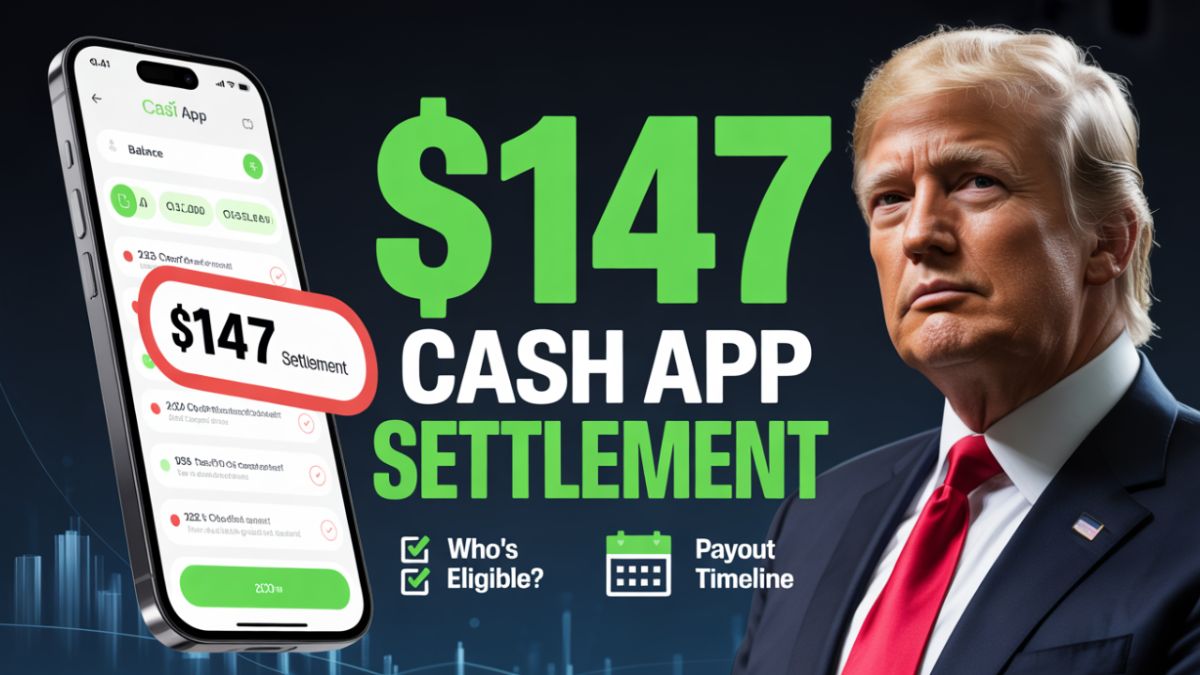
| Estimated Payout per Person | ~$88 to $147 |
| Claim Deadline | October 27, 2025 |
| Eligibility Period | Nov. 14, 2019 – Aug. 7, 2025 |
| Eligible Group | Washington State residents who received Cash App promotional texts without consent |
| Final Approval Date | December 2, 2025 |
| Payout Timeline | Expected throughout 2026 |
| Official Site | cashappsecuritysettlement.com |
What Is the Cash App Settlement?
This settlement addresses a violation of digital privacy rights under Washington state law. The complaint alleged that Cash App’s “Invite Friends” feature sent automated referral messages to people’s phones — even if those people never gave explicit consent.
Here’s how it worked:
- When a user shared their referral link, Cash App may have accessed phone contact lists.
- Some messages were auto-sent using the user’s name, urging others to try the app.
- These texts sometimes reached people who had never agreed to be contacted.
That’s where Washington’s Commercial Electronic Mail Act (CEMA) and Consumer Protection Act (CPA) step in. These laws require clear, affirmative consent before sending commercial messages via text or email.
While Cash App didn’t admit any wrongdoing, they agreed to the $12.5 million settlement to resolve the lawsuit and compensate impacted users.
Why Only Washington Residents?
Great question. This isn’t a national class action — it’s state-specific. Washington is one of the few U.S. states with strong privacy legislation that covers electronic communications. That means the law:
- Prohibits unsolicited commercial texts
- Requires opt-in consent
- Protects residents from deceptive marketing
So, even if you got a Cash App text in Texas or California, you wouldn’t be covered under this settlement — unless a separate lawsuit emerges under your state’s laws.
What Kinds of Texts Triggered the Cash App $12.5M Settlement?
Here’s an example of a message that could qualify:
“Hey! I’ve been using Cash App to send money and spend using the Cash Card. Try it using my code and you’ll get $5! https://cash.app/app/XXXXX”
Looks innocent, right? But if you never agreed to receive it, it could violate the law. The issue is consent — and companies must get it first before hitting your phone.
Who Is Eligible for Cash App $12.5M Settlement?
To be eligible, claimants needed to meet all of these criteria:
- Live in Washington State at the time the message was received
- Received one or more promotional or referral texts from Cash App
- Did not provide explicit consent to receive such messages
- Got the text between November 14, 2019, and August 7, 2025
Even if you never downloaded or used Cash App, you could still qualify — as long as the message landed on your phone within that window.
How Much Will You Get?
The settlement offers estimated payments between $88 and $147 per eligible claimant, based on:
- Total number of valid claims submitted
- Legal fees and administrative costs deducted from the $12.5 million fund
- Distribution method and any payment service fees
So, if fewer people filed claims, you get more. If many people filed, the payout is smaller. That’s how most pro-rata class action settlements work.
According to settlement documents, attorneys’ fees were capped at 25% of the fund, which is fairly standard in class actions. That leaves a sizable portion — over $9 million — for eligible participants.
Important Dates You Should Know
- Claim Deadline: October 27, 2025 (this has now passed)
- Final Approval by Court: December 2, 2025
- Expected Payment Distribution: Starting in early–mid 2026
Claimants had the option to choose direct deposit, mailed checks, or digital wallet transfer during the claim submission process.
Cash App $12.5M Settlement: What’s the Bigger Picture Here
This case is a big deal — not just for Cash App users, but for tech companies across the country.
Here’s why:
1. Companies Must Respect User Consent
The court made it clear: Just because a friend sends a referral doesn’t mean it’s legal if you didn’t opt in. Whether it’s a text, email, or push notification — the law demands permission first.
2. Washington’s Privacy Laws Are Setting the Tone
This state is becoming a leader in privacy legislation, alongside California and Illinois. As more states follow suit, compliance will be non-negotiable for tech firms.
3. Fintech Needs to Mature
The fintech space (apps like Cash App, Venmo, Chime) often moves fast and “breaks things.” This case is a reminder that ethical growth is just as important as user acquisition.
Comparing to Other Major Settlements
Let’s see how this stacks up to similar cases:
| Company | Settlement | Issue |
|---|---|---|
| $650M | Facial recognition without consent | |
| Zoom | $85M | Sharing data with third parties |
| $100M | Biometric privacy violations | |
| T-Mobile | $350M | Data breach |
| Cash App | $12.5M | Unsolicited referral messages |
While Cash App’s number seems small, it’s significant considering the narrow eligibility. It shows that even relatively low-scale privacy violations can lead to millions in damages.
Tips to Protect Yourself From Unwanted Marketing
Don’t want to get caught in the next wave of spam or unauthorized messages? Here’s what you can do:
Use National Opt-Out Tools
- Register your number at the Do Not Call Registry
- Block senders directly from your phone
Stay Alert to Shady Texts
- Never click a random referral link
- Don’t respond to strange messages — even if they use your friend’s name
Learn to Read App Permissions
- Review what an app can access before clicking “Allow”
- Turn off contact syncing unless you really need it
$33 Million Wells Fargo Settlement: Who Qualifies for the Subscription Billing Payout?