
12.5 Million Dollar Cash App Settlement: Who’s Eligible for the $147 Payout? That’s the question making rounds across the country — and especially in Washington state. If you’ve ever received a random text from someone promoting Cash App with a referral code — and you live (or lived) in Washington — this article is exactly for you. Turns out, thousands of people got referral texts from Cash App without giving clear permission. That got the app’s parent company, Block, Inc., into legal hot water. In the end, the company agreed to pay $12.5 million to settle a class action lawsuit. And if you were affected, you could’ve claimed around $88 to $147 — no Cash App account required. Let’s walk through everything you need to know about this settlement, what it means for your privacy rights, and how it could impact other tech companies down the road.
Table of Contents
12.5 Million Dollar Cash App Settlement
The $12.5 million Cash App settlement proves that even the biggest tech players must respect consumer privacy laws. Washington residents who got unsolicited referral texts without giving permission were able to claim real money — all because the law had their back. Though the claim window is now closed, the lessons are clear: pay attention to your digital rights, keep records of suspicious texts, and don’t ignore class action notices. More importantly, this case sets a precedent for other states and tech companies — proving that privacy violations, no matter how small, can add up fast in today’s hyper-connected world.
| Topic | Details |
|---|---|
| Settlement Amount | $12,500,000 |
| Eligibility Criteria | Washington state residents who received unsolicited Cash App referral texts between Nov. 14, 2019 – Aug. 7, 2025 |
| Payout Estimate | Approximately $88–$147 per eligible claim |
| Claim Deadline | October 27, 2025 (now closed) |
| Legal Violations Cited | Washington’s CEMA and Consumer Protection Act |
| Cash App Parent Company | Block, Inc. |
| Official Website for Claims | cashappsecuritysettlement.com |
What Triggered the Cash App Settlement?
Between 2019 and 2025, Cash App users could invite friends and earn cash through a referral program. But here’s the kicker: Cash App allegedly sent unsolicited referral text messages to people using phone numbers in users’ contact lists, even if those recipients never opted in to receive messages.
In Washington state, that kind of behavior can violate privacy laws. Specifically, the Washington Commercial Electronic Mail Act (CEMA) requires businesses to get clear, affirmative consent before sending marketing messages via email or text. The Consumer Protection Act backs it up, allowing consumers to sue companies over violations.
So, in classic legal fashion, a class action lawsuit was filed. While Block, Inc. denied doing anything wrong, they agreed to settle the case for $12.5 million — saving themselves from drawn-out court proceedings.
Who Was Eligible for the 12.5 Million Dollar Cash App Settlement?
To qualify for a slice of the $12.5 million fund, you had to meet four conditions:
- Lived in Washington state when you got the referral text.
- Received a promotional or referral message from Cash App between November 14, 2019, and August 7, 2025.
- Did not give prior consent to receive marketing messages.
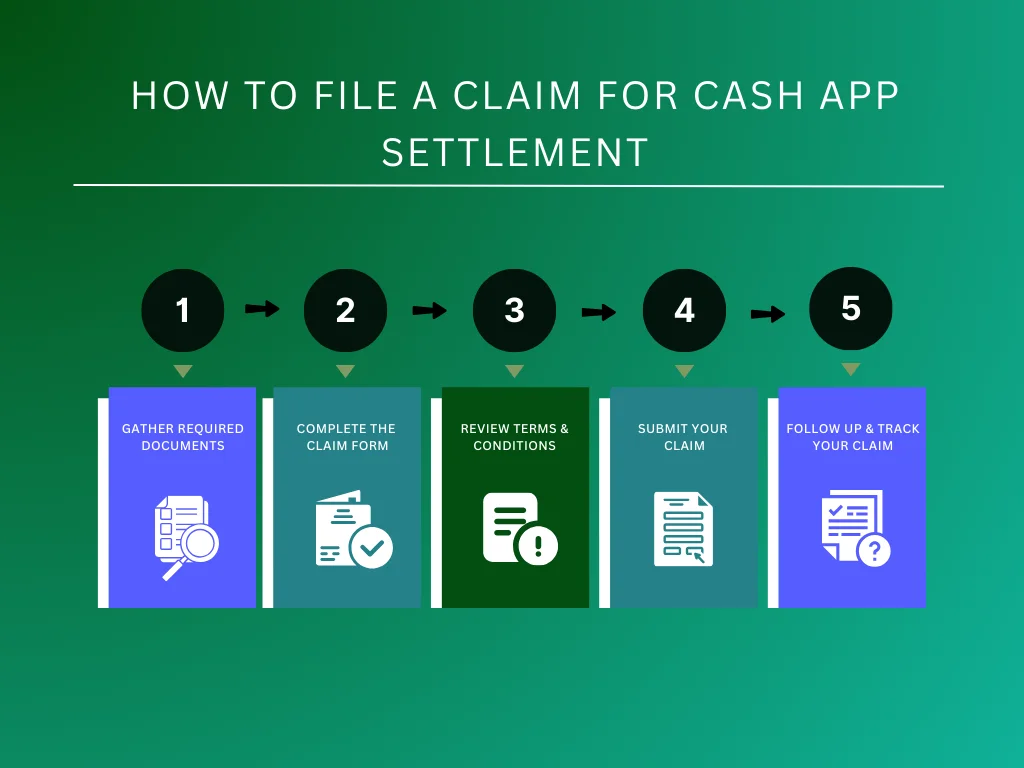
- Filed a claim form by the deadline: October 27, 2025.
You didn’t need to have a Cash App account. Even if you never downloaded the app or used it, you could still qualify as long as the text hit your phone.
What Did the Messages Look Like?
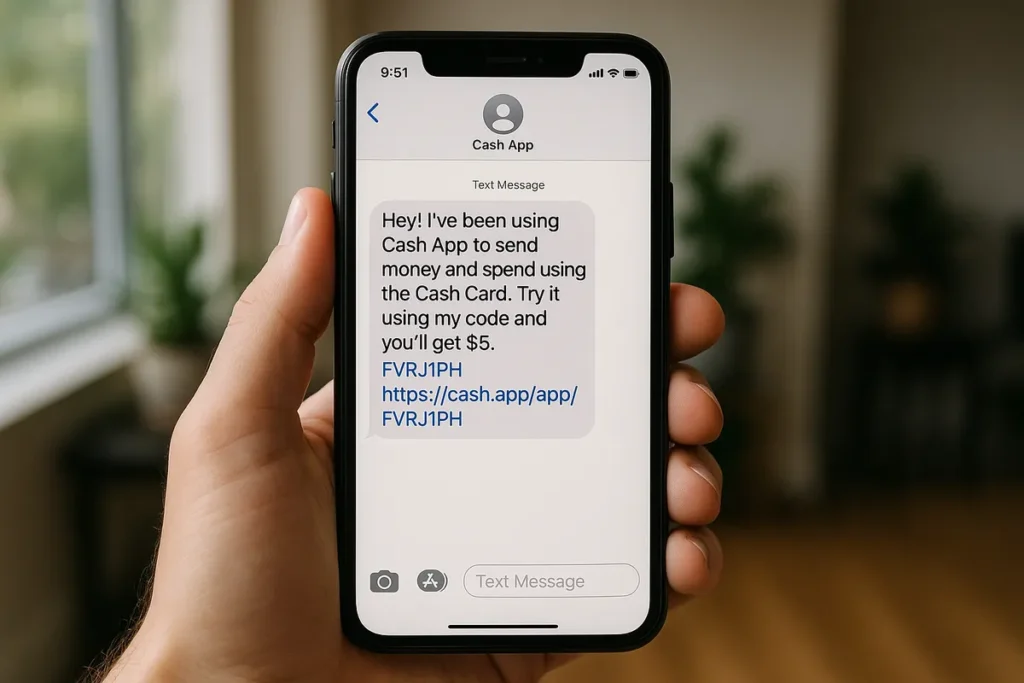
Here’s a sample of the kind of message that sparked the lawsuit:
“Hey! I’ve been using Cash App to send money and spend using the Cash Card. Try it using my code and you’ll get $5.
These kinds of texts were often generated automatically when users invited friends — but the lawsuit argued that recipients didn’t consent to receive such texts, which violated Washington law.
How Class Action Settlements Work?
A class action lawsuit happens when a group of people with the same complaint come together to sue a company. It allows individuals to take on powerful corporations without needing to file lawsuits individually.
Here’s how the process unfolded:
- Complaint Filed: Consumers filed a lawsuit accusing Cash App of violating privacy laws.
- Class Certified: The court allowed the case to represent all affected Washington residents.
- Settlement Negotiated: Block, Inc. agreed to settle without admitting guilt.
- Claims Accepted: A website and form were launched so eligible people could apply.
- Court Approval: In December 2025, a judge gave final approval.
- Payments Scheduled: Once admin fees and lawyer costs were deducted, payments were processed.
Depending on how many people filed valid claims, individuals could receive between $88 and $147. Payments were made via digital transfer or mailed checks, depending on user preference.
What the Law Says: Understanding CEMA and CPA
Washington’s Commercial Electronic Mail Act (CEMA) is designed to protect residents from unwanted digital marketing. It specifically targets:
- Sending unsolicited commercial messages.
- Harvesting personal information without consent.
- Failing to provide opt-out options.
Under this law, recipients can sue for $500 per violation. When combined with the Consumer Protection Act, it allows consumers to recover actual damages, penalties, and attorney’s fees.
That legal combination gave this class action real weight. It wasn’t just about annoying texts — it was about upholding digital privacy.
What If You Got the Text but Don’t Live in Washington?
This settlement only applied to Washington state residents, because the lawsuit was based on Washington law. If you live in California, New York, Texas, or elsewhere, unfortunately you were excluded.
However, more states are adopting similar laws — like California’s Consumer Privacy Act (CCPA) — so this type of lawsuit could be a blueprint for future cases.
How 12.5 Million Dollar Cash App Settlement Affects Tech Companies and Marketers?
The Cash App settlement is a big wake-up call to tech companies and growth marketers using automated referral systems. It shows that:
- Consent is king. Just because a user gives you access to their contacts doesn’t mean you can message everyone on their behalf.
- Each state has unique privacy laws. What works in Nevada might get you sued in Washington.
- Transparency and opt-in records must be built into app architecture from day one.
Even big players like Block, Inc. aren’t immune from privacy missteps. This is a clear reminder that “move fast and break things” doesn’t work when it comes to user data.
Broader Implications for Consumers
Beyond the dollars and cents, this case sets an important precedent:
- It reinforces that consumers have a right to digital privacy.
- It shows that class actions can be an effective way for individuals to hold large corporations accountable.
- It encourages people to pay closer attention to settlement notices — you could be entitled to money and not even realize it.
Real-World Example: Lisa from Tacoma
Let’s say Lisa, a teacher from Tacoma, got a referral text in February 2021 from her cousin promoting Cash App. She never gave permission to receive marketing texts and wasn’t a Cash App user.
Lisa heard about the settlement on the news, visited the official site, and filed her claim. Three months after final court approval, she received $133 via PayPal.
Multiply Lisa’s experience by 50,000–100,000 others — and that’s what class actions are all about.
$2,000 Refunds Coming? Visa-Mastercard Class Action Settlement 2026 Explained
23andMe Data Breach Class Action Settlement – Apply to Claim $100-$10,000, Check Eligibility